
Senior health tips are key to unlocking a fulfilling and vibrant life as we age. As we navigate our golden years, maintaining a healthy lifestyle becomes crucial, not just for longevity but for enhancing our overall quality of life. This guide dives into essential health tips that help seniors thrive, focusing on nutrition, fitness, and well-being.
By adopting these tips, seniors can better manage their health, enjoy more active lifestyles, and foster connections that contribute to their mental and emotional well-being. From exploring nutritious food choices to understanding the importance of regular health check-ups, this overview sets the stage for a healthier, happier future.
Senior Health Tips Overview
Maintaining a healthy lifestyle is crucial as we age, and understanding essential health tips can significantly enhance the quality of life for seniors. By focusing on health and wellness, older adults can enjoy increased longevity and a more active, fulfilling life. This article explores various health tips tailored for seniors, emphasizing the importance of nutrition, fitness, and accessible healthcare.
Nutrition and Healthy Food Choices
A balanced diet plays a vital role in maintaining health as we age. Seniors should prioritize nutritious food options to support overall well-being. Here are some key food groups to incorporate:
- Fruits and Vegetables: Rich in vitamins and minerals, they help boost the immune system and maintain healthy skin.
- Whole Grains: Foods like brown rice, oatmeal, and whole-wheat bread provide essential fiber and help regulate digestion.
- Lean Proteins: Sources such as chicken, fish, beans, and nuts support muscle maintenance and repair.
- Dairy or Alternatives: Calcium-rich foods like yogurt and cheese are important for bone health.
Meal planning can help seniors meet their specific dietary needs while ensuring variety and balance. Additionally, hydration is paramount; seniors should aim to drink plenty of water throughout the day to stay hydrated and support bodily functions.
Home Health Care Insights
Home health care offers numerous benefits for seniors, providing them with personalized support in the comfort of their homes. Different types of home health services include:
- Medical Care: Skilled nursing services, physical therapy, and medication management.
- Personal Care: Assistance with daily activities such as bathing, dressing, and meal preparation.
- Companionship: Social support to reduce feelings of loneliness and isolation.
When selecting a reliable home health care provider, it’s essential to research credentials, read reviews, and consult with healthcare professionals.
Health and Fitness Activities
Staying physically active is crucial for seniors to maintain strength and mobility. Suitable physical activities include:
- Walking: A low-impact exercise that promotes cardiovascular health.
- Swimming: Gentle on the joints while providing a full-body workout.
- Chair Yoga: Improves flexibility and balance.
Creating a safe and effective exercise routine involves consulting with a healthcare professional to tailor a plan that meets individual needs. Furthermore, engaging in social activities can have a profound impact on mental health, fostering connections and a sense of community.
Health Equity and Access to Care
Health equity is critical for promoting fair access to medical services among seniors. Resources available for underserved communities include:
- Community Health Clinics: Often provide affordable or free medical services.
- Transportation Services: Help seniors reach medical appointments.
- Health Education Programs: Raise awareness about available resources and preventive care.
Advocating for better health access involves engaging with local policymakers and participating in community health initiatives.
Managing Health Anxiety
Health anxiety is a common issue among seniors, but several strategies can help manage it. Effective coping mechanisms include:
- Mindfulness Techniques: Practices such as meditation and deep breathing can reduce anxiety.
- Regular Check-ins: Establishing a routine with healthcare providers can help address concerns proactively.
- Support Groups: Connecting with others facing similar challenges provides emotional support.
Resources for mental health support, like counseling services and hotlines, can also be beneficial.
Health and Social Care Integration
Integrating health and social care is essential for improving outcomes for seniors. Successful models of integrated care often include:
- Collaborative Care Teams: Healthcare providers work together to coordinate services.
- Care Management Programs: Focus on the holistic needs of seniors, ensuring they receive comprehensive support.
- Technology Solutions: Utilizing telehealth services to enhance communication between patients and providers.
Family caregivers play a vital role in this integration, acting as advocates and facilitators of care.
Health and Safety Jobs for Seniors
There are numerous job roles and opportunities for seniors in health and safety fields. Suitable positions may include:
- Health Coaches: Providing guidance on wellness and lifestyle changes.
- Safety Monitors: Ensuring compliance with health and safety regulations in various environments.
- Volunteer Roles: Engaging in community health initiatives and awareness programs.
Transitioning to a new career later in life can be fulfilling, and there are many resources available to help seniors navigate this change.
Importance of Regular Health Check-ups
Regular health screenings are vital for seniors to detect potential health issues early. Essential tests and vaccinations include:
- Blood Pressure Checks: To monitor cardiovascular health.
- Cholesterol Screening: Important for preventing heart disease.
- Flu Shots: To protect against seasonal influenza.
Building a good relationship with healthcare providers enhances communication and encourages proactive health management.
Oral Health and Dental Care
Oral health is crucial for seniors, impacting overall well-being significantly. Maintaining dental hygiene at home involves:
- Regular Brushing: Using fluoride toothpaste to prevent cavities.
- Flossing: Essential for removing plaque and preventing gum disease.
- Regular Dental Visits: To catch potential issues before they worsen.
Poor oral health is linked to chronic diseases such as diabetes and heart disease.
Healthcare Systems and Benefits
Seniors have access to various healthcare systems that provide essential services. Understanding health benefits and insurance options is crucial for maximizing coverage. Key aspects include:
- Medicare: A federal program that offers health coverage for seniors.
- Medicaid: Provides assistance for those with limited income and resources.
- Supplemental Insurance: Helps cover additional healthcare costs.
Navigating these systems can be complex, so it’s advisable to seek assistance from knowledgeable professionals.
Health and Medical Education Resources
Seniors can access various resources to learn about health and medical matters. Benefits of attending health workshops or seminars include:
- Staying Informed: Gaining knowledge about health trends and practices.
- Networking: Meeting others who share similar health interests.
- Accessing Resources: Finding tools and materials for better health management.
Reliable health information can be found through reputable websites and community programs.
Health Essentials for Daily Living
Essential health tools and aids can significantly improve safety and convenience for seniors in daily life. Important items to consider include:
- Mobility Aids: Such as canes or walkers to enhance stability.
- Emergency Alert Systems: Providing peace of mind in case of falls or emergencies.
- Medication Organizers: Helping to manage medications effectively.
Establishing a routine and structure is vital for promoting healthy living among seniors.
Final Wrap-Up
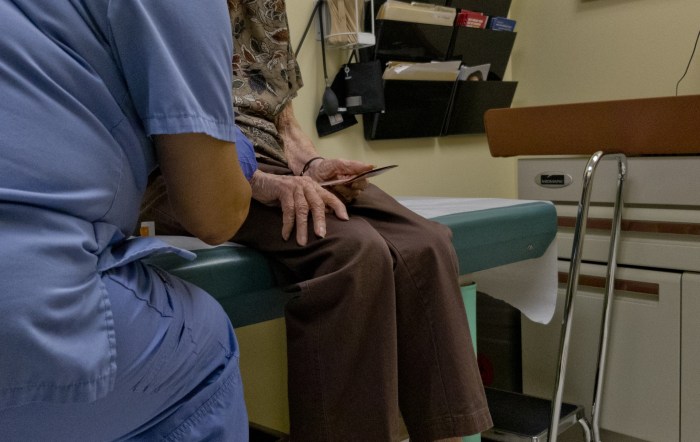
In conclusion, embracing senior health tips empowers us to take charge of our well-being and enrich our lives as we grow older. By prioritizing nutrition, physical activity, and mental health, seniors can navigate the challenges of aging with confidence and joy. Remember, it’s never too late to make positive changes that lead to a healthier, more fulfilling life.
Top FAQs
What are some quick nutrition tips for seniors?
Seniors should focus on nutrient-dense foods like fruits, vegetables, whole grains, and lean proteins while staying hydrated and limiting processed sugars and salts.
How often should seniors exercise?
It is recommended that seniors engage in physical activity for at least 150 minutes a week, including both aerobic and muscle-strengthening exercises.
What should seniors do to manage health anxiety?
Practicing relaxation techniques, seeking support from friends or professionals, and staying informed can help seniors cope with health anxiety effectively.
How can seniors improve their oral health?
Regular dental check-ups, maintaining good oral hygiene practices like brushing and flossing, and a healthy diet can significantly enhance oral health in seniors.
What are the benefits of social activities for seniors?
Participating in social activities can boost mental health, reduce feelings of loneliness, and improve cognitive function among seniors.


