
With summer health essentials at the forefront, this season is all about embracing the sun while keeping our well-being in check. As the temperatures rise and days get longer, it’s crucial to adapt our health routines to ensure we enjoy everything summer has to offer without compromising our health.
From hydration strategies to nutritional considerations, understanding how heat and humidity affect our bodies can help mitigate common summer risks. This guide covers everything you need to thrive, from outdoor fitness activities to mental health tips, ensuring you maintain a balanced lifestyle throughout the season.
Importance of Summer Health Essentials
Summer is a season filled with sunshine, outdoor activities, and social gatherings, making it crucial to prioritize health during these warmer months. Maintaining good health in summer is essential due to the increased exposure to heat and humidity, which can lead to various health issues. Understanding the factors that affect summer health—like hydration levels, sun exposure, and physical activity—can help mitigate risks and enhance overall well-being.Heat and humidity can lead to dehydration, heat exhaustion, and heat stroke, making it vital to recognize and address these risks.
Common summer health risks include sunburn, insect bites, foodborne illnesses, and respiratory problems from high pollen levels. Taking preventive measures, such as wearing sunscreen, staying hydrated, and practicing safe food handling, can help reduce these risks significantly.
Hydration Strategies
Staying hydrated is one of the most important aspects of maintaining health during summer. Effective hydration techniques include drinking plenty of water throughout the day, especially when engaging in outdoor activities. It’s crucial to recognize the signs of dehydration, which may include dry mouth, fatigue, dizziness, and dark-colored urine. If these symptoms occur, it’s important to rehydrate immediately by consuming water or electrolyte-rich drinks.Here are some hydration-friendly foods and beverages to include in your diet:
- Watermelon
- Cucumber
- Oranges
- Coconut water
- Herbal iced teas
Nutritional Considerations
Healthy eating plays a vital role in supporting summer health, particularly with the abundance of fresh, seasonal produce. Foods rich in vitamins and minerals boost the immune system and provide energy for summer activities. Incorporating colorful fruits and vegetables into meals can enhance taste and nutrition.A balanced summer meal plan might include:
- Breakfast: Smoothie with spinach, banana, and yogurt
- Lunch: Quinoa salad with cherry tomatoes, cucumber, and feta cheese
- Dinner: Grilled salmon with asparagus and sweet potato
- Snacks: Hummus with bell pepper slices, Greek yogurt with berries
Health and Fitness Activities
Engaging in outdoor fitness activities is a fantastic way to stay active during summer. Activities like swimming, hiking, cycling, and beach volleyball offer enjoyable ways to get exercise while soaking up the sun. Creating a diverse workout plan can keep motivation high and incorporate elements of fun.Safety practices for exercising in high temperatures include:
- Exercising in the early morning or late evening to avoid peak heat
- Wearing lightweight, breathable clothing
- Taking breaks regularly and hydrating
Health and Safety Awareness
Health and safety awareness is crucial during summer events and activities. Understanding how to prevent sunburns, heat-related illnesses, and other risks ensures a safer experience for everyone. Strategies for sun safety include applying sunscreen regularly, wearing protective clothing, and seeking shade when necessary.Best practices for ensuring safety at summer gatherings involve:
- Providing ample water and shade for guests
- Having a first aid kit readily available
- Educating attendees on recognizing heat-related illnesses
Home Health Care Essentials
During the summer months, it’s important to have essential health care supplies on hand for home use. Items such as sunscreen, insect repellent, and first aid kits can help manage common summer health concerns. The role of health care assistants is pivotal in supporting individuals with their health needs during this time.A checklist for summer health care supplies might include:
- Sunscreen with high SPF
- Insect repellent
- Electrolyte drinks
- First aid supplies (band-aids, antiseptic wipes)
- Hydrating moisturizers
Health Equity and Accessibility
Health equity is essential to ensure that all communities have access to summer health resources. Some communities face barriers like lack of access to fresh foods, healthcare facilities, and education on summer health practices. Strategies to promote health equity include community health fairs, providing educational resources, and working with local organizations to improve access to healthy options.
Mental Health Considerations
Mental health can also be affected during the summer, leading to health anxiety for some individuals. It’s important to address these feelings and maintain wellness practices. Engaging in physical activities, spending time with friends and family, and practicing mindfulness techniques can greatly enhance mental well-being during the summer season.
Dental Care in the Summer
Maintaining oral health during summer activities is essential to prevent common dental issues. High temperatures can lead to an increase in sugary drinks and snacks, which can harm dental health. Tips for managing dental care in hot weather include staying hydrated, opting for water instead of sugary beverages, and maintaining a regular brushing and flossing routine.Common summer-related dental issues can include:
- Increased cavities due to sugary snacks
- Dehydration leading to dry mouth
- Sunburned lips
Healthcare Systems and Social Care
Healthcare systems play a significant role in supporting summer health initiatives. Various health and social care strategies are implemented to promote well-being during the summer months, including vaccination programs, community health outreach, and partnerships with local organizations to ensure resources are accessible.Healthcare alliances can improve summer health outcomes by:
- Collaborating with schools for health education programs
- Organizing community wellness events
- Facilitating access to summer health resources for underserved populations
Summary
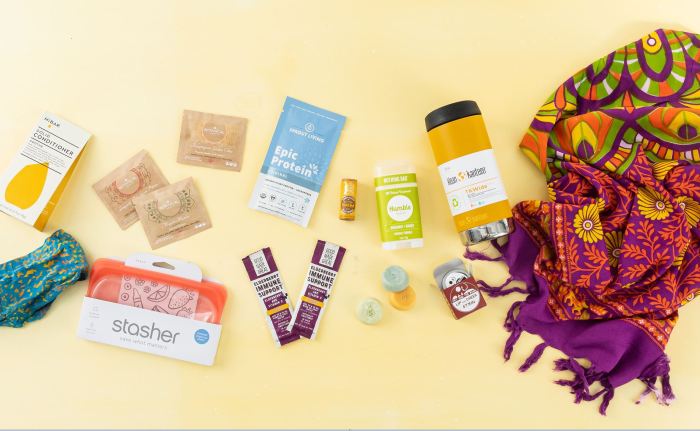
As we wrap up our exploration of summer health essentials, remember that staying healthy during this vibrant season is about more than just avoiding sunburns or staying hydrated. It’s about creating a lifestyle that embraces the joys of summer while prioritizing your well-being. Keep these tips in mind, and you’ll be set for a summer filled with health, happiness, and plenty of sunny adventures!
Quick FAQs
What are the signs of dehydration?
Common signs include thirst, dry mouth, fatigue, and dark urine. Stay vigilant, especially in hot weather.
How can I protect my skin from sunburn?
Use broad-spectrum sunscreen with at least SPF 30, wear protective clothing, and avoid peak sun hours between 10 a.m. and 4 p.m.
What are some nutritious summer snacks?
Fresh fruits, yogurt parfaits, and veggie sticks with hummus are great options for staying energized.
How can I maintain my mental health during the summer?
Engage in outdoor activities, practice mindfulness, and stay connected with friends and family to boost your mood.
Why is health equity important in summer health?
Health equity ensures that all communities have access to resources and opportunities for a healthy summer, regardless of socioeconomic status.


